Scotland's West Coast
An independent guide to the places, landscapes and details worth exploring.
Introduction
Few places can be reduced to a single postcard view, and Scotland's West Coast is no exception. The most satisfying itinerary combines familiar landmarks with quieter corners and an awareness of the surrounding region. This article outlines a route through notable places and explains how to approach them without racing from one photograph to the next.
Loch Lomond
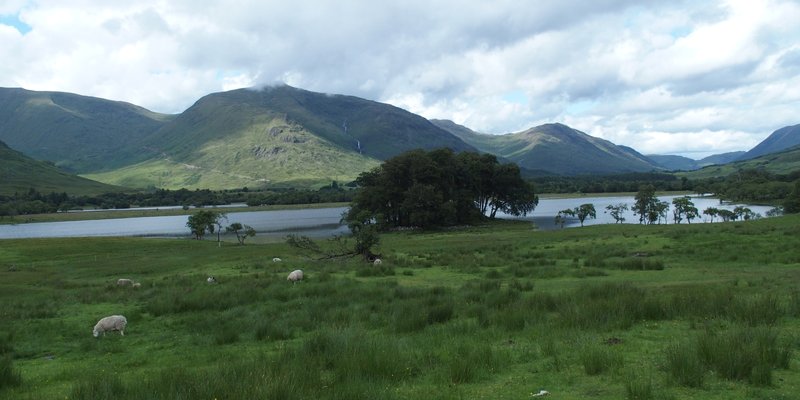
A different side of the journey appears at Loch Lomond. This is a useful place to slow down and pay attention to scale, textures and local detail. Even when an attraction is familiar from photographs, seeing how it relates to its neighbourhood or landscape makes the visit more memorable. If arriving by car, plan parking before the final approach. In historic centres and protected landscapes, walking the last section is often more pleasant than searching for the closest possible space.
Glencoe
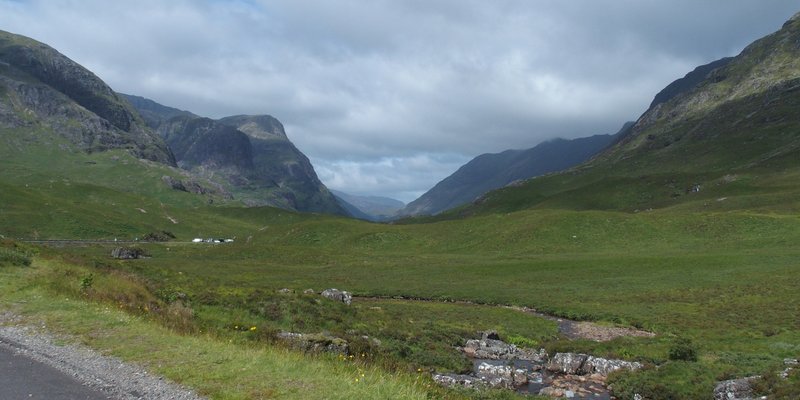
Include Glencoe as a deliberate stop rather than an afterthought. The interest is not only the main sight but also the route towards it, the changing views and the small details that connect it with the region's history and daily life. Allow time for a pause nearby. A café, picnic spot or short detour can make the day feel less like a transfer between attractions and more like a coherent journey through the area.
Oban waterfront
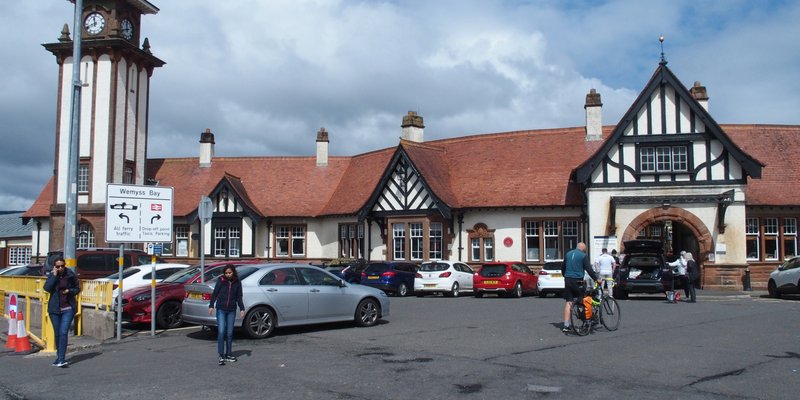
At Oban waterfront, let the surroundings set the pace. A short visit may cover the headline attraction, but a longer pause makes room for side streets, paths, interpretation panels and the ordinary scenes that give a destination its character. For photography, try both a broad establishing view and a closer detail rather than six versions of the same scene. Check whether the best vantage points are public and accessible, and avoid blocking paths or entrances while taking pictures.

sea lochs
The itinerary gains variety with sea lochs. It offers another angle on the region and helps prevent the journey becoming a sequence of similar stops. Consider the light, the weather and the practicalities of access when deciding how long to stay. If arriving by car, plan parking before the final approach. In historic centres and protected landscapes, walking the last section is often more pleasant than searching for the closest possible space.
Highland viewpoints
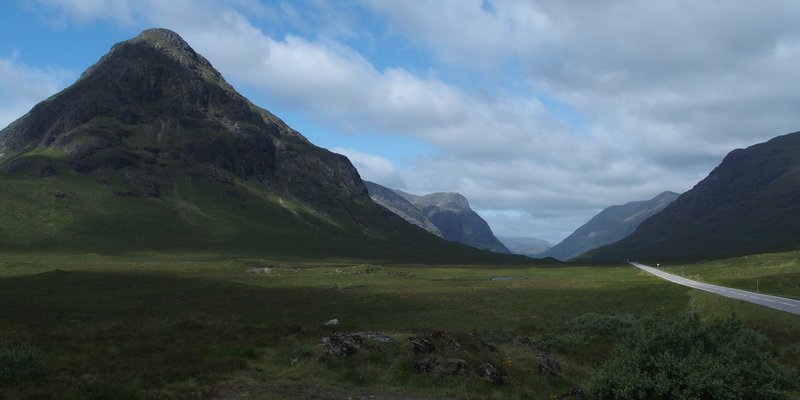
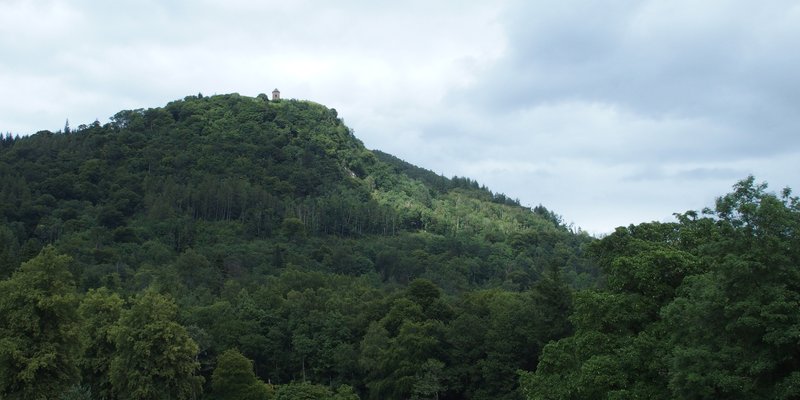
Start with Highland viewpoints. It provides a strong first impression of the wider destination, whether through its built environment, scenery or cultural associations. Look beyond the obvious viewpoint: the approach roads, nearby streets and changes in perspective can be just as revealing as the central attraction. Allow time for a pause nearby. A café, picnic spot or short detour can make the day feel less like a transfer between attractions and more like a coherent journey through the area.
ferry journeys
Make time for ferry journeys, but resist treating it as a quick stop. Its setting is part of the experience. Walk a little farther than the busiest viewpoint where access permits, observe how the surroundings fit together and allow time to read any interpretation available on site. For photography, try both a broad establishing view and a closer detail rather than six versions of the same scene. Check whether the best vantage points are public and accessible, and avoid blocking paths or entrances while taking pictures.
Planning the route
Choose the order of stops to suit transport rather than forcing the transport to suit an ambitious list. Rail works well between major cities, walking suits compact historic centres, and rural sections may require a car, tour or advance planning. Food provides a second route into the destination. Look for places serving regional dishes and seasonal produce rather than assuming the restaurants nearest the best-known sight offer the most interesting meal. Markets and bakeries are especially useful for understanding local ingredients and everyday habits.
Before you go
The most useful preparation is often mundane: check opening hours, understand payment options and allow realistic transfer times. In busy destinations, reserve high-demand attractions ahead; elsewhere, keeping a free afternoon may be more rewarding than adding another booking. There is no single correct way to explore Scotland's West Coast. A thoughtful route, a little background reading and time to wander will usually provide a richer experience than trying to see everything.