An African Travel Notebook
An independent guide to the places, landscapes and details worth exploring.

Introduction
A worthwhile visit to An African Travel Notebook is less about collecting landmarks than understanding the setting around them. Geography, architecture and everyday routines each tell part of the story. The route below connects six useful starting points, with practical suggestions for balancing sightseeing, food, transport and unhurried exploration.
regional landscapes
Include regional landscapes as a deliberate stop rather than an afterthought. The interest is not only the main sight but also the route towards it, the changing views and the small details that connect it with the region's history and daily life. A useful way to understand the place is to compare its busiest area with the quieter streets or paths around it. That contrast often reveals more about local life than a rushed visit to the main landmark alone.
local markets
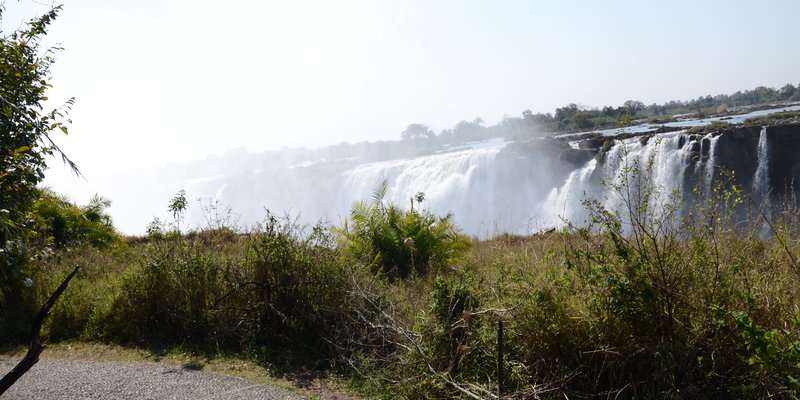
At local markets, let the surroundings set the pace. A short visit may cover the headline attraction, but a longer pause makes room for side streets, paths, interpretation panels and the ordinary scenes that give a destination its character. Keep an eye on the weather and the quality of the light. Coastal, mountain and city locations can all look remarkably different over the course of a day, and flexibility usually produces a better experience than a strict timetable.
historic streets
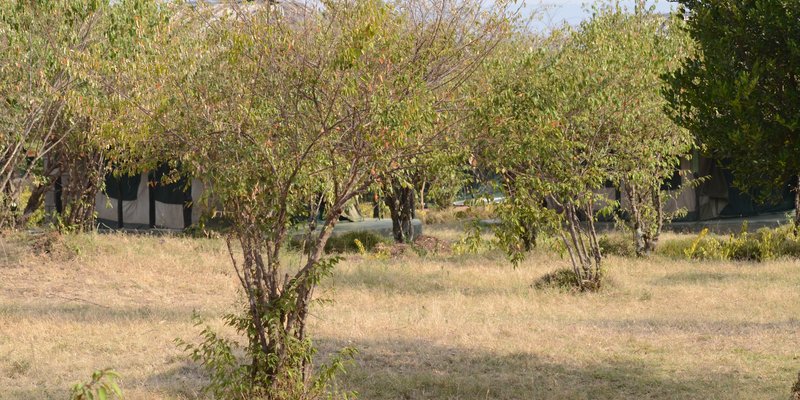
The itinerary gains variety with historic streets. It offers another angle on the region and helps prevent the journey becoming a sequence of similar stops. Consider the light, the weather and the practicalities of access when deciding how long to stay. Before travelling, check opening arrangements and any booking requirements. Seasonal hours, conservation work and local events can change what is accessible; an alternative nearby walk is worth keeping in reserve.
natural reserves
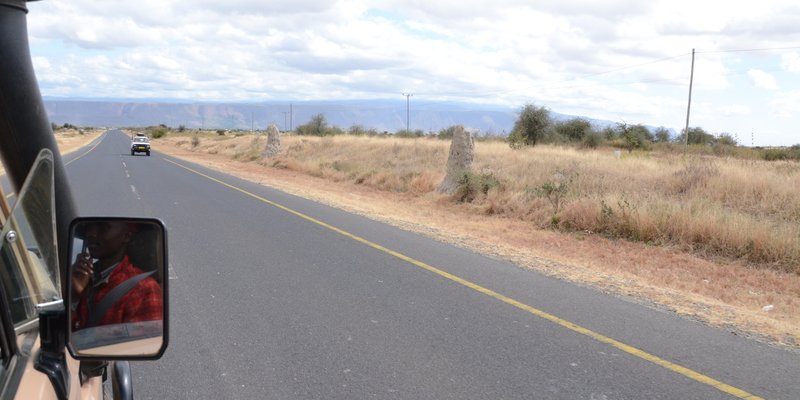
Start with natural reserves. It provides a strong first impression of the wider destination, whether through its built environment, scenery or cultural associations. Look beyond the obvious viewpoint: the approach roads, nearby streets and changes in perspective can be just as revealing as the central attraction. A useful way to understand the place is to compare its busiest area with the quieter streets or paths around it. That contrast often reveals more about local life than a rushed visit to the main landmark alone.
food traditions
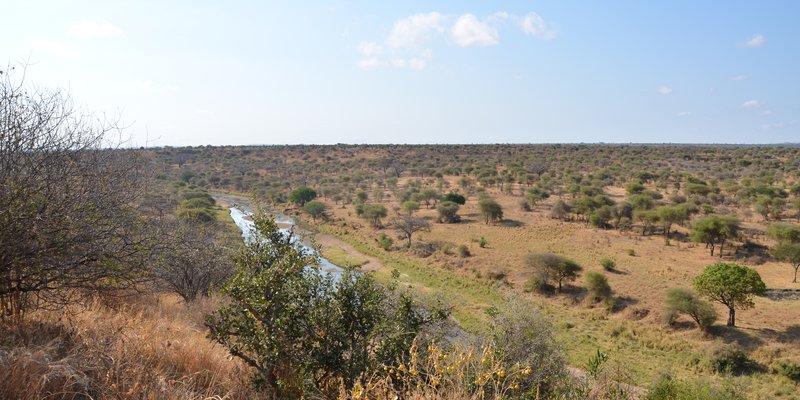
Make time for food traditions, but resist treating it as a quick stop. Its setting is part of the experience. Walk a little farther than the busiest viewpoint where access permits, observe how the surroundings fit together and allow time to read any interpretation available on site. Keep an eye on the weather and the quality of the light. Coastal, mountain and city locations can all look remarkably different over the course of a day, and flexibility usually produces a better experience than a strict timetable.
community life
A different side of the journey appears at community life. This is a useful place to slow down and pay attention to scale, textures and local detail. Even when an attraction is familiar from photographs, seeing how it relates to its neighbourhood or landscape makes the visit more memorable. Before travelling, check opening arrangements and any booking requirements. Seasonal hours, conservation work and local events can change what is accessible; an alternative nearby walk is worth keeping in reserve.
Planning the route
Linking the stops together is part of the experience. Build each day around two or three neighbouring highlights instead of repeatedly crossing the region. Distances on a map can be misleading where roads are narrow, public transport is infrequent or a scenic stop deserves extra time. Leave a little space in the schedule for eating well. A market visit, a modest neighbourhood restaurant or a locally recommended café can tell you as much about a place as another monument. Check menus and prices before sitting down in heavily visited areas.
Before you go
Pack for the conditions rather than the calendar alone. Comfortable footwear is essential for uneven paving and trails, while a light waterproof layer can be useful even in apparently settled weather. Check local advice on safety, access and respectful behaviour before entering protected or religious sites. The lasting impression of An African Travel Notebook comes from the relationship between its headline sights and